About the Journal
Scope of the Journal
Indexed In
Journal Information
Archive
Author Instructions
Current issue
Editorial Board
Journal Policy
AI Policy
APC Policy
Authorship Policy
Author Recognition Policy
Citation Policy
Conflict of Interest (COI) Policy
Copyright Policy
Data Availability Policy
DEI Policy
Digital Archiving Policy
Ethical Approval Policy
Funding Policy
Image Policy
Open Access Policy
Ownership & Governance
Peer Review Policy
Personal Data Protection Policy
Plagiarism Policy
Post-Publication Policy
Preprint Policy
Submit Manuscript
Contact
Journal Policy
AI Policy
APC Policy
Authorship Policy
Author Recognition Policy
Citation Policy
Conflict of Interest (COI) Policy
Copyright Policy
Data Availability Policy
DEI Policy
Digital Archiving Policy
Ethical Approval Policy
Funding Policy
Image Policy
Open Access Policy
Ownership & Governance
Peer Review Policy
Personal Data Protection Policy
Plagiarism Policy
Post-Publication Policy
Preprint Policy


RESEARCH PAPER
Antibacterial and Plasmid-Curing Potential of Two Medicinal Plant Extracts in Dental Infections
1
State Key Laboratory of Materials, Shandong University, Jinan, Shandong 250100, China
Submission date: 2026-01-02
Final revision date: 2026-03-01
Acceptance date: 2026-03-25
Online publication date: 2026-04-28
Publication date: 2026-04-28
Corresponding author
Journal of Medico Informatics 2026;02(Issue 02):36-41
HIGHLIGHTS
- Herbal extracts show strong antibacterial activity against Streptococcus mutans and related species.
- Anacyclus pyrethrum exhibits lower MIC and higher efficacy than Ginkgo biloba.
- Both extracts demonstrate effective plasmid-curing, reducing antibiotic resistance in bacteria.
- Significant inhibition (>81%) achieved against oral pathogens using plant-derived compounds.
- Herbal extracts present promising alternatives to conventional antibiotics for dental infections.
KEYWORDS
TOPICS
ABSTRACT
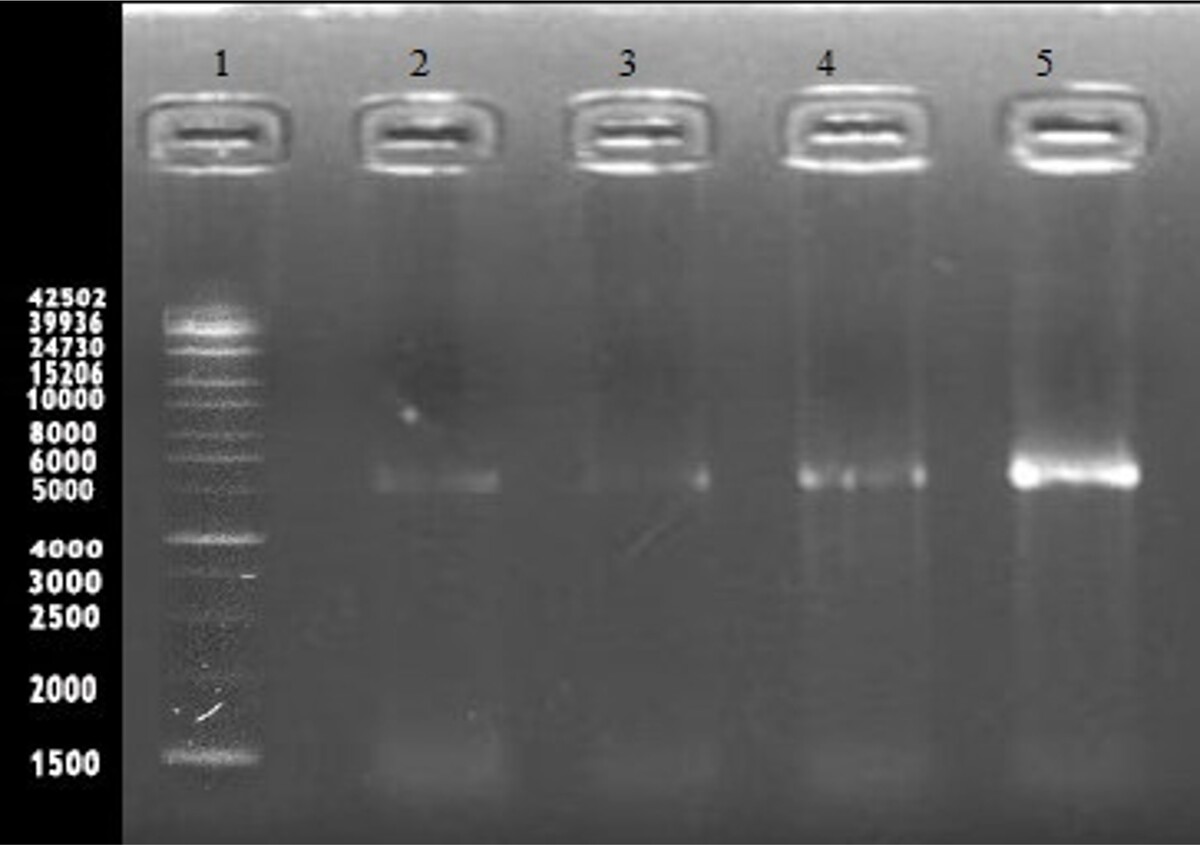
The current study investigates the antibacterial properties and plasmid-curing effects of Anacyclus pyrethrum extract in conjunction with Ginkgo biloba extract on Streptococcus mutans and other Streptococcus species in patients with dental caries and periodontitis. The antibacterial evaluation was performed utilising Minimum Inhibitory Concentration (MIC) and Minimum Bactericidal Concentration (MBC). While Ginkgo biloba extract necessitated 9 mg/mL to attain comparable results, Anacyclus pyrethrum extract achieved this at 8 mg/mL with S. mutans. The extract activation rate exceeded 81%. The experiment revealed that G. biloba required a dosage of 24 mg/mL, but A. pyrethrum necessitated 20 mg/mL to eradicate all the germs. Among all Streptococcus species, S. mutans demonstrated the most significant resistance to tetracycline and the least resistance to ciprofloxacin, while other Streptococcus species showed varying antibiotic resistances. The plasmid elimination assays revealed that the herbal extracts effectively eradicated plasmids in S. mutans, hence inhibiting plasmid replication and resulting in a diminished band intensity on plasmid staining compared to the ampicillin-treated samples. A. pyrethrum and G. biloba have shown their efficacy as anti-resistance therapeutic agents against oral infections owing to their antibacterial properties and plasmid-curing capabilities. The study demonstrates how these herbal extracts may serve as an alternative to conventional antibiotics in the natural treatment of tooth infections. They must possess clinical relevance, necessitating additional research involving actual individuals.
ABBREVIATIONS
MIC – Minimum Inhibitory Concentration
MBC – Minimum Bactericidal Concentration
MDR – Multidrug Resistance
AMR – Antimicrobial Resistance
PCR – Polymerase Chain Reaction
rDNA – Ribosomal DNA
PBS – Phosphate Buffered Saline
BHI – Brain Heart Infusion
MS Agar – Mutans Sanguis Agar
OD – Optical Density
DMFT – Decayed, Missing, and Filled Teeth
DNA – Deoxyribonucleic Acid
CO₂ – Carbon Dioxide
BLAST – Basic Local Alignment Search Tool
ACKNOWLEDGEMENTS
The authors thankfully acknowledge the State Key Lab of Materials, Shandong University, China for providing necessary facilities for performing this case study.
FUNDING
This research received no external funding. All work was conducted using institutional resources without dedicated grant support.
CONFLICT OF INTEREST
The authors declare that they have no known financial, personal, academic, or other relationships that could inappropriately influence, or be perceived to influence, the work reported in this manuscript. All authors confirm that there are no competing interests to declare.
PEER REVIEW INFORMATION
Article has been screened for originality
© 2026 The Authors. Published by Aayvu Publications Private Limited under CC BY 4.0.
REFERENCES (22)
1.
Biernacka P, Adamska I, Felisiak K. (2023), The Potential of Ginkgo biloba as a Source of Biologically Active Compounds-A Review of the Recent Literature and Patents, Molecules, 28(10) doi:10.3390/molecules28103993. PMID: 37241734.
2.
Cooper K, Murthy K, Balzer T, Parkinson S, Sleet R, DiTullio P. (2025), In vitro and in vivo characterization of Bisphosphocin Nu-3-a novel broad-spectrum antimicrobial compound with high potency against resistant pathogens, Antimicrob Agents Chemother, 69(12):e0094825. doi:10.1128/aac.00948-25. PMID: 41118336.
3.
Dhami B, Thapaliya KB, Shrestha DK, Bhandari B, Gupta S. (2021), Periodontal Disease in Patients Visiting a Tertiary Care Dental Hospital: A Descriptive Cross-sectional Study, JNMA J Nepal Med Assoc, 59(236):384-391. doi:10.31729/jnma.6463. PMID: 34508519.
4.
Fang Y, Chen X, Chu CH, Yu OY, He J, Li M. (2024), Roles of Streptococcus mutans in human health: beyond dental caries, Front Microbiol, 15:1503657. doi:10.3389/fmicb.2024.1503657. PMID: 39749137.
5.
Fang Y, Ma Q, Zhao W, Liu N, Cheng L, Chen J, Zou J. (2025), A novel selective medium Sucrose-Bacitracin agar 10 for accurate isolation and identification of Streptococcus mutans, BMC Oral Health, 25(1):1332. doi:10.1186/s12903-025-06675-y. PMID: 40819078.
6.
Fu D, Shu X, Zhou G, Ji M, Liao G, Zou L. (2025), Connection between oral health and chronic diseases, MedComm (2020), 6(1):e70052. doi:10.1002/mco2.70052. PMID: 39811802.
7.
Ge Y, Caufield PW, Fisch GS, Li Y. (2008), Streptococcus mutans and Streptococcus sanguinis colonization correlated with caries experience in children, Caries Res, 42(6):444-8. doi:10.1159/000159608. PMID: 18832831.
8.
Gloria-Garza MA, Reyna-Martinez GR, Jimenez-Salas Z, Campos-Gongora E, Kacaniova M, Aguirre-Cavazos DE, Bautista-Villarreal M, Leos-Rivas C, Elizondo-Luevano JH. (2025), Medicinal Plants Against Dental Caries: Research and Application of Their Antibacterial Properties, Plants (Basel), 14(9) doi:10.3390/plants14091390. PMID: 40364419.
9.
Hossain TJ. (2024), Methods for screening and evaluation of antimicrobial activity: A review of protocols, advantages, and limitations, Eur J Microbiol Immunol (Bp), 14(2):97-115. doi:10.1556/1886.2024.00035. PMID: 38648108.
10.
Jawhari FZ, El Moussaoui A, Bourhia M, Imtara H, Mechchate H, Es-Safi I, Ullah R, Ezzeldin E, Mostafa GA, Grafov A, Ibenmoussa S, Bousta D, Bari A. (2020), Anacyclus pyrethrum (L): Chemical Composition, Analgesic, Anti-Inflammatory, and Wound Healing Properties, Molecules, 25(22) doi:10.3390/molecules25225469. PMID: 33238392.
11.
Kulis E, Cvitkovic I, Pavlovic N, Kumric M, Rusic D, Bozic J. (2025), A Comprehensive Review of Antibiotic Resistance in the Oral Microbiota: Mechanisms, Drivers, and Emerging Therapeutic Strategies, Antibiotics (Basel), 14(8) doi:10.3390/antibiotics14080828. PMID: 40868022.
12.
Kumar PS. (2020), Interventions to prevent periodontal disease in tobacco-, alcohol-, and drug-dependent individuals, Periodontol 2000, 84(1):84-101. doi:10.1111/prd.12333. PMID: 32844411.
13.
Lal D, Verma M, Lal R. (2011), Exploring internal features of 16S rRNA gene for identification of clinically relevant species of the genus Streptococcus, Ann Clin Microbiol Antimicrob, 10:28. doi:10.1186/1476-0711-10-28. PMID: 21702978.
14.
Li P, Shen J, Wang Z, Liu S, Liu Q, Li Y, He C, Xiao P. (2021), Genus Paeonia: A comprehensive review on traditional uses, phytochemistry, pharmacological activities, clinical application, and toxicology, J Ethnopharmacol, 269:113708. doi:10.1016/j.jep.2020.113708. PMID: 33346027.
15.
Mei N, Guo X, Ren Z, Kobayashi D, Wada K, Guo L. (2017), Review of Ginkgo biloba-induced toxicity, from experimental studies to human case reports, J Environ Sci Health C Environ Carcinog Ecotoxicol Rev, 35(1):1-28. doi:10.1080/10590501.2016.1278298. PMID: 28055331.
16.
Palombo EA. (2011), Traditional Medicinal Plant Extracts and Natural Products with Activity against Oral Bacteria: Potential Application in the Prevention and Treatment of Oral Diseases, Evid Based Complement Alternat Med, 2011:680354. doi:10.1093/ecam/nep067. PMID: 19596745.
17.
Parvekar P, Palaskar J, Metgud S, Maria R, Dutta S. (2020), The minimum inhibitory concentration (MIC) and minimum bactericidal concentration (MBC) of silver nanoparticles against Staphylococcus aureus, Biomater Investig Dent, 7(1):105-109. doi:10.1080/26415275.2020.1796674. PMID: 32939454.
18.
Pearce CB, Zinkevich V, Beech I, Funjika V, Ruiz AG, Aladawi A, Duncan HD. (2005), Using the polymerase chain reaction coupled with denaturing gradient gel electrophoresis to investigate the association between bacterial translocation and systemic inflammatory response syndrome in predicted acute severe pancreatitis, World J Gastroenterol, 11(45):7142-7. doi:10.3748/wjg.v11.i45.7142. PMID: 16437661.
19.
Sayeed G, Varghese SS. (2024), Evaluation of the Effect of Supragingival Scaling on Periodontal Parameters in Pregnant Women with Metabolic Syndrome, J Pharm Bioallied Sci, 16(Suppl 4):S3925-S3931. doi:10.4103/jpbs.jpbs_1372_24. PMID: 39927038.
20.
Shafiq NE, Mahdee AF, Mohammed Hasan ZY. (2024), Leaf Extracts of Moringa oleifera Cultivated in Baghdad: Characterization and Antimicrobial Potential against Endodontic Pathogens, ScientificWorldJournal, 2024:6658164. doi:10.1155/2024/6658164. PMID: 38450244.
21.
Smalla K, Heuer H, Gotz A, Niemeyer D, Krogerrecklenfort E, Tietze E. (2000), Exogenous isolation of antibiotic resistance plasmids from piggery manure slurries reveals a high prevalence and diversity of IncQ-like plasmids, Appl Environ Microbiol, 66(11):4854-62. doi:10.1128/AEM.66.11.4854-4862.2000. PMID: 11055935.
22.
Urban-Chmiel R, Marek A, Stepien-Pysniak D, Wieczorek K, Dec M, Nowaczek A, Osek J. (2022), Antibiotic Resistance in Bacteria-A Review, Antibiotics (Basel), 11(8) doi:10.3390/antibiotics11081079. PMID: 36009947.
| ISSN: | 3108-2696 |

We process personal data collected when visiting the website. The function of obtaining information about users and their behavior is carried out by voluntarily entered information in forms and saving cookies in end devices. Data, including cookies, are used to provide services, improve the user experience and to analyze the traffic in accordance with the Privacy policy. Data are also collected and processed by Google Analytics tool (more).
You can change cookies settings in your browser. Restricted use of cookies in the browser configuration may affect some functionalities of the website.
You can change cookies settings in your browser. Restricted use of cookies in the browser configuration may affect some functionalities of the website.
